

Degenerative Disc Disease Treatment Tuscaloosa, AL
Personalized Degenerative Disc Disease Care
Phone: (205) 759-7246
Degenerative Disc Disease can cause ongoing neck or back pain and may contribute to nerve irritation or reduced mobility. DCH SpineCare Center treats degenerative disc disease with a personalized approach that includes imaging, pain procedures and rehabilitation support.
What Is Degenerative Disc Disease?
Degenerative Disc Disease refers to age-related or wear-related changes in the spinal discs that normally help cushion the bones of the spine. As discs lose height, hydration or stability, they can contribute to pain, stiffness and nerve-related symptoms.
How Is Degenerative Disc Disease Different From Other Spine Conditions?
Degenerative disc disease, herniated discs, and spinal stenosis are related but distinct conditions that are often confused. DDD refers to the gradual breakdown of the discs themselves over time - the cushioning between vertebrae loses height and flexibility. A herniated disc occurs when the outer layer of a disc tears and the inner material pushes out, irritating nearby nerves. Spinal stenosis involves a narrowing of the spinal canal that puts pressure on the spinal cord or nerve roots. These conditions can occur together, which is why a proper evaluation is important for identifying the right treatment approach.
Degenerative Disc Disease Symptoms
- Chronic neck or low back pain.
- Pain that worsens with sitting, bending or lifting.
- Stiffness and reduced range of motion.
- Pain that radiates into the arms or legs.
- Symptoms that flare with activity or over time.
Degenerative Disc Disease Treatments
Evaluation may include X-ray, MRI or CT, along with injections, radiofrequency techniques, rehabilitation services and other interventional treatments selected for the underlying pain pattern.
Degenerative Disc Disease FAQs
Don't Let Degenerative Disc Disease Define Your Daily Life
Chronic neck and back pain from degenerative disc disease can make even routine activities feel like a challenge, but it doesn't have to stay that way. At DCH SpineCare Center in Tuscaloosa, our board-certified specialists use advanced imaging and a full range of interventional treatments to build a personalized plan around your specific symptoms and goals.
If Degenerative Disc Disease is making it harder to stay active and independent, SpineCare Center can help identify options for relief. Call (205) 759-7246 to schedule care



Related Locations
-
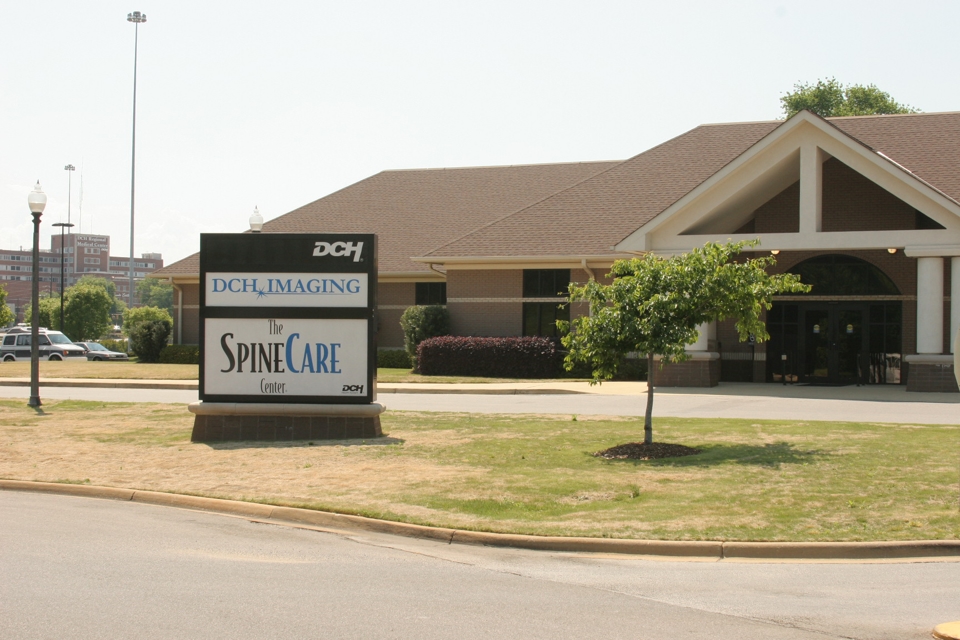 DCH Diagnostics / SpineCare Center General 1050 Ruby Tyler Parkway
Tuscaloosa, AL 35404 Map & Directions