

Osteoarthritis Treatment in Tuscaloosa
Our Joint Pain Experts Help You Move More Freely
Osteoarthritis, also called degenerative joint disease or wear-and-tear arthritis, is caused by the cartilage that cushions the joints breaking down over time, causing the bones to rub together. It is the most common form of arthritis, and the older you are, the more likely you are to have wear and tear on your joints. It mainly affects the joints in the hands, knees, hips and spine.
Osteoarthritis Symptoms
Symptoms of osteoarthritis often start slowly and worsen over time, including:
- Pain
- Stiffness
- Tenderness
- Loss of flexibility
- Grating sensation
- Bone spurs
- Swelling
What Causes Osteoarthritis?
Osteoarthritis develops when the protective cartilage that cushions the ends of bones gradually wears away over time. As cartilage breaks down, bones begin to rub against one another, leading to pain, stiffness, swelling, and reduced joint mobility. Although osteoarthritis is often associated with aging, several factors can increase the risk of developing the condition.
Common risk factors for osteoarthritis include:
- Aging, as joint cartilage naturally changes over time.
- Previous joint injuries, including sports injuries or fractures.
- Repetitive stress from work or recreational activities that place ongoing strain on the joints.
- Excess body weight, which increases pressure on weight-bearing joints such as the knees and hips.
- Family history of osteoarthritis.
- Joint abnormalities or conditions that affect normal joint alignment.
Because osteoarthritis can affect each person differently, an accurate diagnosis is important for developing a treatment plan that helps reduce pain, improve mobility, and support long-term joint health.
Osteoarthritis Treatment
Non-Surgical Treatment Options
While osteoarthritis cannot be reversed, there are effective treatments to manage the symptoms, including pain relief and mobility improvements. Many patients address pain with over-the-counter drugs. Other effective treatments include physical therapy, which can help strengthen the muscle surrounding the affected joint while increasing flexibility. Occupational therapy may be useful, too, so you can learn how to do your daily tasks without putting excess strain on the affected joint(s). Cortisone injections may be useful to relieve pain and inflammation; however, most patients are limited to three or four injections per year, as the medication can worsen joint damage over time.
Surgical Treatment Options
Orthopedic surgery may be necessary for patients who can’t get adequate relief through nonsurgical treatments. The two most common surgical treatments for osteoarthritis are osteotomy, to realign the bones, and shift the patient’s body weight away from the worn-out part of the joint. Joint replacement surgery (arthroplasty) is indicated for patients who need significant relief. An orthopedic surgeon removed the damaged surfaces of the joint and replaces them with an artificial joint made of plastic and metal parts.
Osteoarthritis FAQs
Find Relief from Osteoarthritis Pain
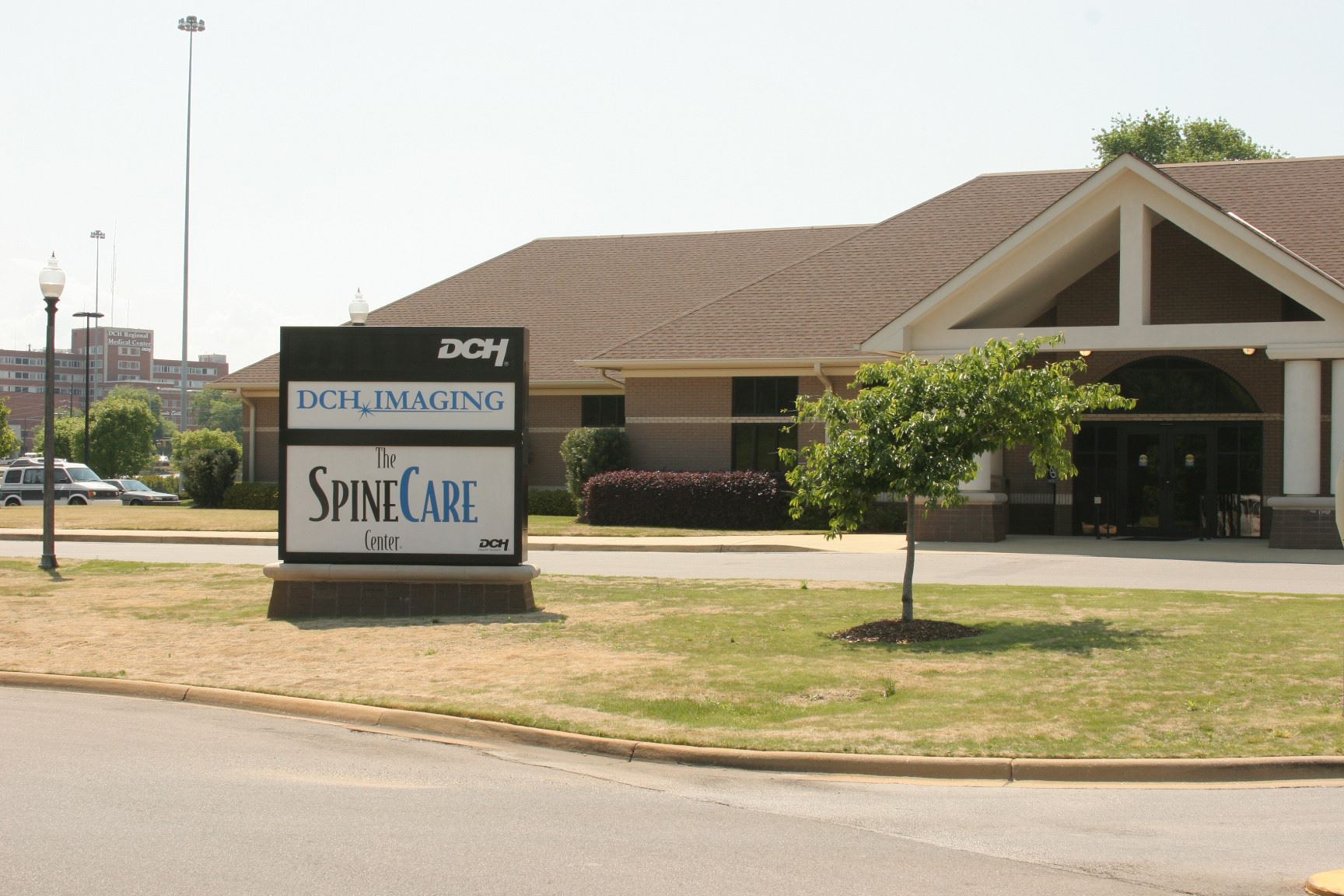
Living with osteoarthritis can make everyday activities like walking, climbing stairs or using your hands more difficult, but treatment can help reduce pain and improve mobility. At DCH SpineCare Center in Tuscaloosa, our team works closely with you to understand how osteoarthritis is affecting your daily life and recommend conservative treatment options that support long-term joint function. When additional care is needed, we can also help coordinate referrals for orthopedic evaluation and surgical treatment.
Call (205) 759-7246 today to schedule an evaluation and learn more about personalized osteoarthritis treatment at DCH SpineCare Center.



Related Locations
-
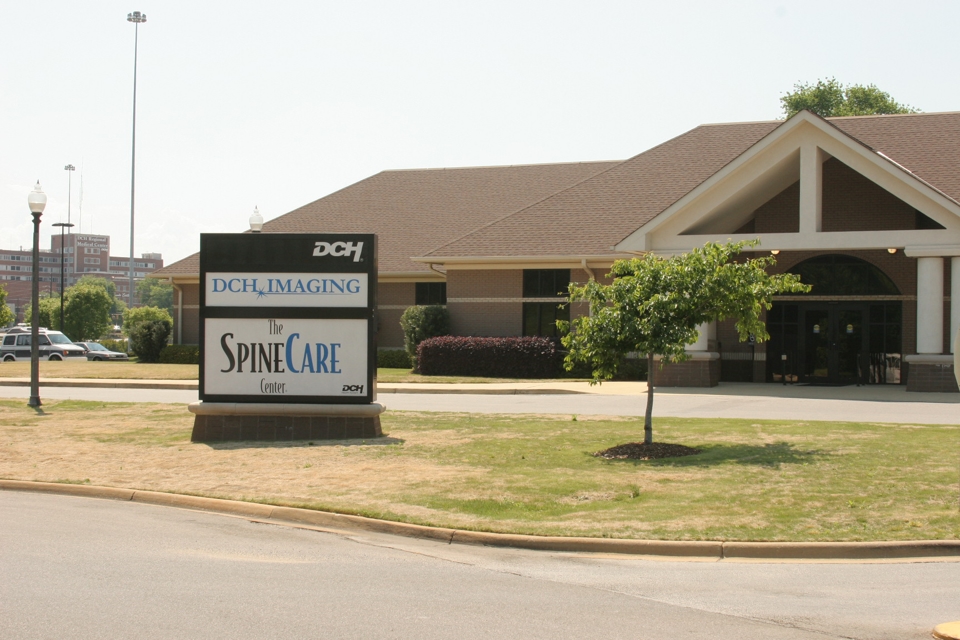 DCH Diagnostics / SpineCare Center General 1050 Ruby Tyler Parkway
Tuscaloosa, AL 35404 Map & Directions