

Ureteropelvic Junction (UPJ) Obstruction Treatment in Tuscaloosa
Ureteropelvic junction (UPJ) obstruction is a condition where urine cannot properly drain from the kidney to the ureter. This can lead to swelling, pain, and an increased risk of infection. At DCH Health System in Tuscaloosa, we provide evaluation and treatment for UPJ obstruction, including advanced surgical options to help protect kidney function and relieve symptoms.
What Is UPJ Obstruction?
UPJ obstruction occurs when there is a blockage where the kidney connects to the ureter. This prevents urine from draining normally and can cause swelling in the kidney, known as hydronephrosis.
This condition is often present at birth and may be detected during prenatal ultrasounds. In some cases, it can develop later in life due to kidney stones, prior surgery, or inflammation.
What Are the Symptoms of UPJ Obstruction?
Since the development of the ultrasound and its widespread use to screen the unborn child, most UPJ obstructions are identified long before birth. After birth, symptoms can vary depending on age and severity. Common symptoms include:
- Flank or side pain, especially after drinking fluids
- Urinary tract infections (UTIs), often with fever
- Blood in the urine
- Kidney stones
- Abdominal swelling (in infants)
- Intermittent pain that comes and goes
Some people with UPJ obstruction may experience pain even without an infection. In some cases, the blockage can come and go, meaning urine may drain normally at times and become obstructed at others, leading to intermittent pain. Because symptoms can be inconsistent, it’s important to get evaluated if you’re experiencing ongoing or unexplained discomfort.
How Is UPJ Obstruction Diagnosed?
UPJ obstruction is diagnosed using imaging and functional tests that evaluate how well the kidney produces and drains urine.
Testing may include:
- Ultrasound to detect swelling in the kidney (hydronephrosis)
- Renal scan to measure kidney function and how effectively urine drains
- Specialized imaging tests, such as an intravenous pyelogram (IVP), which uses contrast dye to help visualize the urinary tract
These tests provide important information about how well the kidney is working and how severe the obstruction may be, helping your provider determine the most appropriate treatment plan.
UPJ Obstruction Treatment Options
Treatment depends on the patient’s age, symptoms, and how well the kidney is functioning.
Monitoring (in infants and mild cases)
Some infants may improve over time. In these cases, providers may monitor kidney function with follow-up imaging.
Surgical Treatment (Pyeloplasty)
If the obstruction does not improve or is affecting kidney function, surgery may be recommended. The most common procedure is pyeloplasty, which removes the blockage and reconnects the ureter to allow normal urine flow.
This procedure has a high success rate and helps relieve symptoms while protecting long-term kidney health.
Minimally Invasive Options
DCH offers minimally invasive approaches, including robotic surgery. These techniques may reduce pain, shorten recovery time, and minimize scarring.
What to Expect After Treatment
After treatment for UPJ obstruction, it’s normal for the kidney to take some time to fully heal and begin draining properly. Some temporary swelling or slower drainage may still be seen on imaging as the area recovers.
Your provider will typically schedule follow-up testing, such as a renal scan or ultrasound, a few weeks after the procedure to evaluate how well the kidney is functioning and draining.
Most patients recover well, though some may experience mild discomfort for a few days after surgery. In certain cases, a temporary drainage tube or stent may be placed to help support healing and will be removed once recovery is underway.
While the appearance of the kidney may continue to improve over time, it may not always return completely to normal on imaging. Once successfully treated, UPJ obstruction rarely comes back. However, some patients may have a slightly increased risk of kidney stones or infection and may benefit from ongoing monitoring.
Frequently Asked UPJ Questions
Can UPJ Obstruction Go Away on Its Own?
In some infants, UPJ obstruction may improve over time. However, many cases require evaluation and treatment to prevent complications and protect kidney function. If you or your child may have symptoms, it’s important to be assessed by a healthcare provider.
Is UPJ Obstruction Serious?
It can be serious if left untreated, as it may lead to kidney damage or infection. Early diagnosis and treatment can help prevent complications.
Get Care for UPJ Obstruction in Tuscaloosa
If you or your child has been diagnosed with (or may be experiencing symptoms of) UPJ obstruction, early evaluation can help protect kidney function and prevent complications. The team at DCH Health System in Tuscaloosa provides comprehensive care, from diagnostic testing through advanced surgical treatment options, including minimally invasive procedures.
Our providers work closely with each patient to determine the most appropriate treatment plan and support long-term kidney health.
Call (205) 759-7878 to schedule an appointment and get started with care.
Learn more about how West Alabama Urology uses robotic surgery to repair UPJ obstruction.




Related Locations
-
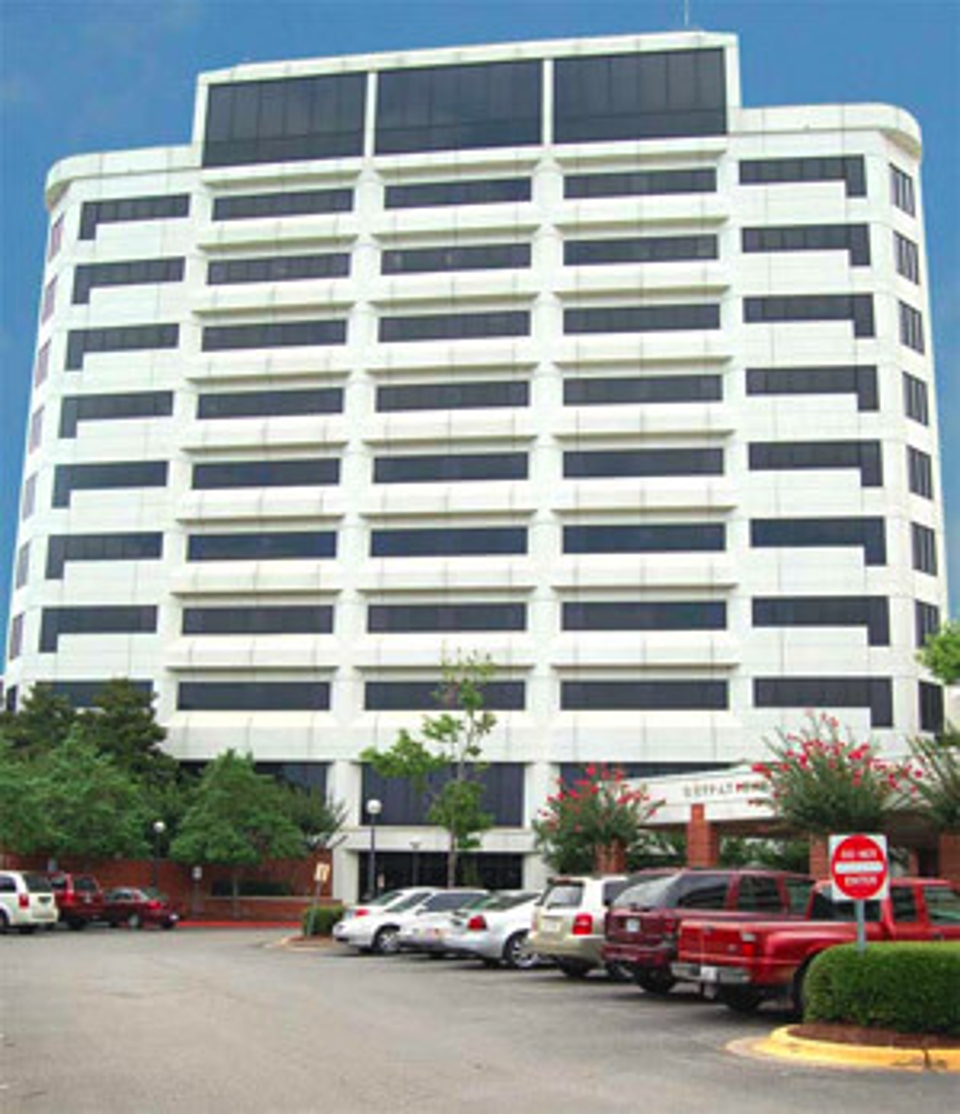 West Alabama Urology Associates General DCH Medical Tower 1, 701 University Blvd. E.
Suite 908
Tuscaloosa, AL 35401 Map & Directions