


Newborn Circumcision
As a urology NP it is not uncommon to be asked my opinion of newborn circumcision. This can be a sensitive subject since often times there are religious and cultural issues involved in the decision. The recent CDC draft recommendations on male circumcision have also sparked some debate so I thought I would send some clarifying information on the issue.
In 2012 The American Academy of Pediatrics published a circumcision policy statement that stated after evaluation of peer-reviewed literature from 1995 to 2010 the Academy felt that the benefits of elective circumcision – reduction of urinary tract infection in the first year of life, decrease risk of heterosexual acquisition of HIV and transmission of other STIs, and the decreased risk of penile cancer – outweighed the risks of the procedure. (The most common risks associated with the procedure include pain, bleeding and infection). The decision to circumcise is ultimately a parental decision. However; the Academy states that the benefits of circumcision were sufficient enough to justify third party payment.
The CDC recommendations regarding infant circumcision mirror the policy statement from the American Academy of Pediatrics. The CDC draft also recommends counseling all uncircumcised heterosexual and bisexual adult and adolescent males on the risks and benefits of circumcision. This is based on research that demonstrated that circumcision reduces HIV infection risks by 50 to 60% and reduces by 30% the risk of contracting herpes and HPV. Much of the research that CDC used in making these guidelines involved clinical trials in sub-Saharan Africa so there has been debate as to whether this data applies to men in the United States. The CDC reports that evidence is mixed regarding homosexual men with some studies showing partial protection with circumcision.
The CDC recommendations are a draft and available for public comment until January 16th of this year. You can go to www.cdc.gov for more information.



Related Locations
-
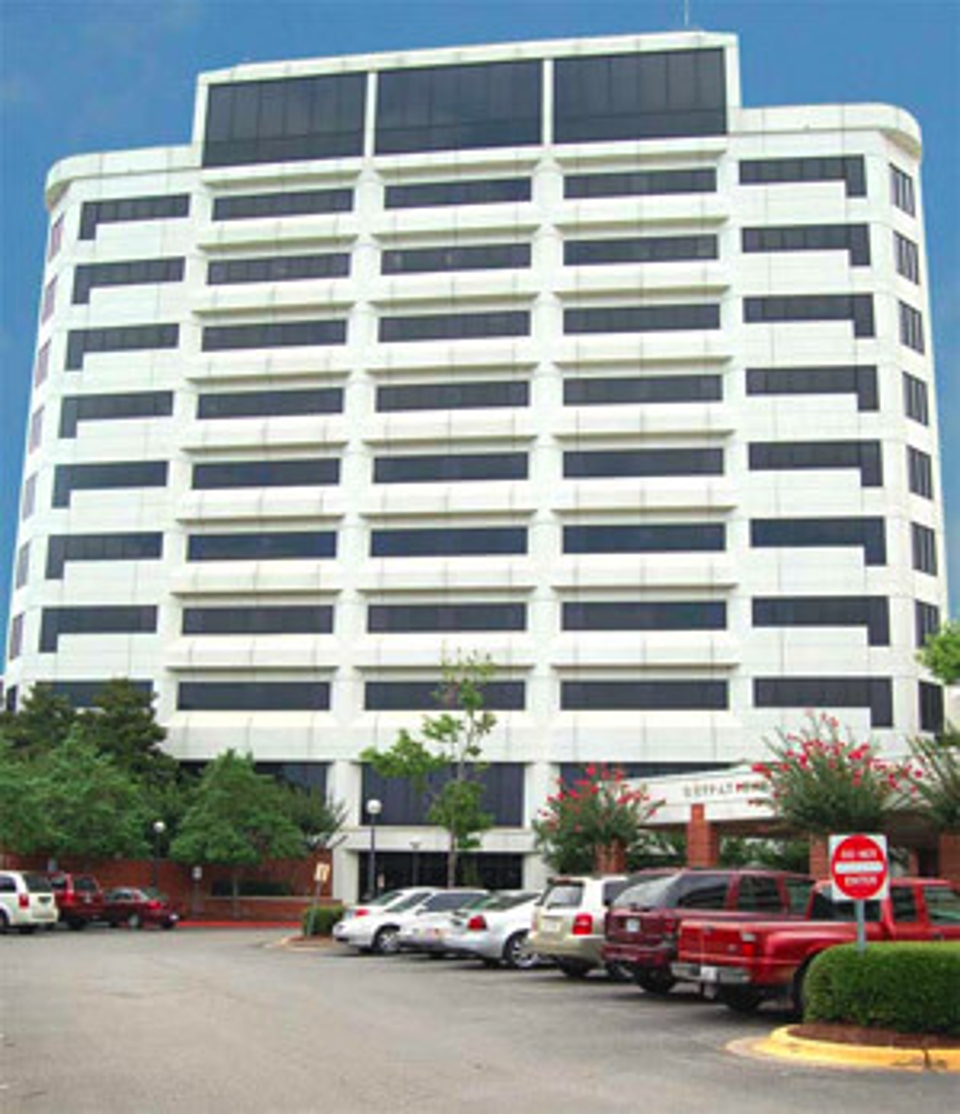 West Alabama Urology Associates General DCH Medical Tower 1, 701 University Blvd. E.
Suite 908
Tuscaloosa, AL 35401 Map & Directions