

Urologic Cancer Care in Tuscaloosa
A urologic cancer diagnosis can feel overwhelming, but you don't have to face it alone. At West Alabama Urology Associates, part of DCH Health System, our team provides evaluation, diagnosis, and treatment for urologic cancers, including advanced options like robotic-assisted surgery, to help you get the care you need close to home in Tuscaloosa.
Types of Urologic Cancer We Treat
Urologic cancers are cancers that affect the urinary tract and male reproductive system. Our team provides care for several types of urologic cancer, including:
Bladder Cancer
Bladder cancer is one of the most common urologic cancers in the United States, affecting both men and women. It occurs when abnormal cells form in the lining of the bladder and, if not detected early, can spread to surrounding tissues. Common symptoms include blood in the urine, frequent urination, and pelvic discomfort. Learn more about bladder cancer and how we treat it. →
Kidney Cancer
Kidney cancer develops when malignant cells form in the tissues of one or both kidneys. It is often detected incidentally during imaging for an unrelated condition, as early-stage kidney cancer may not always cause noticeable symptoms. When symptoms do occur, they can include blood in the urine, back or side pain, and unexplained weight loss. Learn more about kidney cancer and how we treat it. →
Prostate Cancer
Prostate cancer is the most common cancer in men, aside from skin cancer. When detected early, it is often highly treatable. Screening with a PSA blood test and regular check-ups play an important role in catching prostate cancer before symptoms develop. Learn more about prostate cancer and how we treat it. →
Testicular Cancer
Testicular cancer is one of the most common cancers in men between the ages of 15 and 35, though it can occur at any age. It is also one of the most treatable forms of cancer when caught early. A painless lump or swelling in the testicle is often the first sign. Learn more about testicular cancer and how we treat it. →
Urologic Cancer Treatment
Treatment for urologic cancer depends on the type of cancer, its stage, and your overall health. Our team works with you to develop a personalized care plan that may include one or more of the following:
- Surgical treatment - including minimally invasive and robotic-assisted approaches to remove tumors or affected tissue
- Robotic-assisted surgery - West Alabama Urology Associates uses the da Vinci Surgical System to perform precise, minimally invasive procedures for eligible patients, which can mean less pain, less blood loss, and a faster recovery
- Collaboration with oncology - for cancers requiring additional treatment such as chemotherapy, radiation, or immunotherapy, our team coordinates closely with DCH's oncology services to support your full plan of care
Learn more about how West Alabama Urology uses Da Vinci Robotic surgery to treat urologic cancer.
Frequently Asked Questions About Urologic Cancer
What are the warning signs of urologic cancer?
Warning signs vary by cancer type, but common symptoms to watch for include blood in the urine, changes in urinary habits, pain in the lower back or sides, unexplained weight loss, or a lump or swelling in the pelvic or scrotal area. Many urologic cancers are also detected before symptoms develop through routine screening. If you notice any of these symptoms, it is important to be evaluated promptly.
How is urologic cancer diagnosed?
Diagnosis typically involves a combination of physical examination, blood and urine tests, imaging studies such as CT scans or ultrasound, and in some cases a biopsy to examine tissue for cancer cells. The diagnostic process varies depending on which type of cancer is suspected.
Is urologic cancer treatable?
Many urologic cancers are highly treatable, especially when caught early. Bladder, prostate, kidney, and testicular cancers all have strong treatment options available, and outcomes are generally better when cancer is detected at an earlier stage. Early evaluation and regular screening are key.
Should I get screened for urologic cancer?
Screening recommendations depend on your age, sex, family history, and other risk factors. PSA testing for prostate cancer, for example, is generally discussed starting at age 50 for average-risk men, or earlier for those with a family history. Talking with your provider about your personal risk is the best way to determine the right screening approach for you.
Get Care for Urologic Cancer at DCH
If you have been diagnosed with a urologic cancer or if you are experiencing symptoms that concern you, the team at West Alabama Urology Associates is here to help. We provide urologic cancer care in Tuscaloosa, focusing on personalized treatment and support at every step.
Call (205) 759-7111 to schedule an appointment today.




Related Locations
-
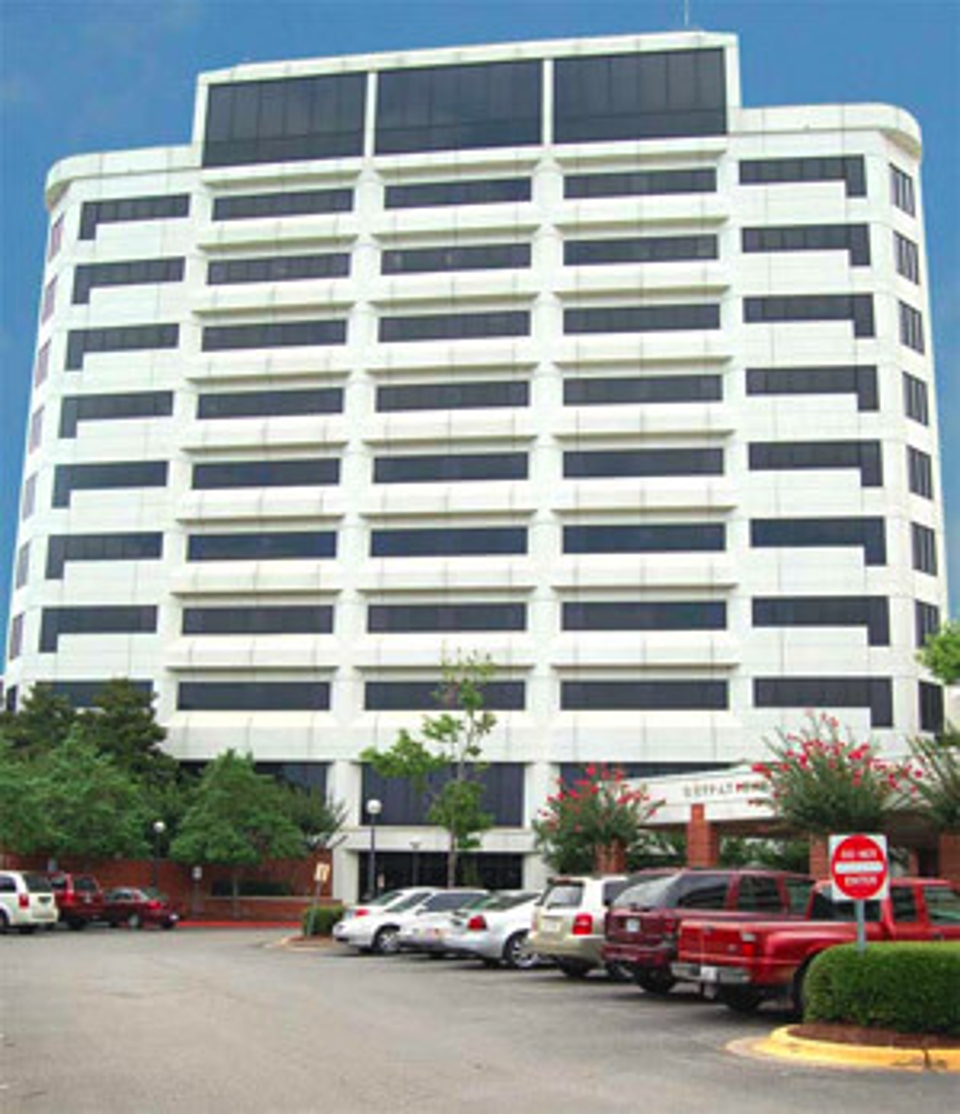 West Alabama Urology Associates General DCH Medical Tower 1, 701 University Blvd. E.
Suite 908
Tuscaloosa, AL 35401 Map & Directions